Description
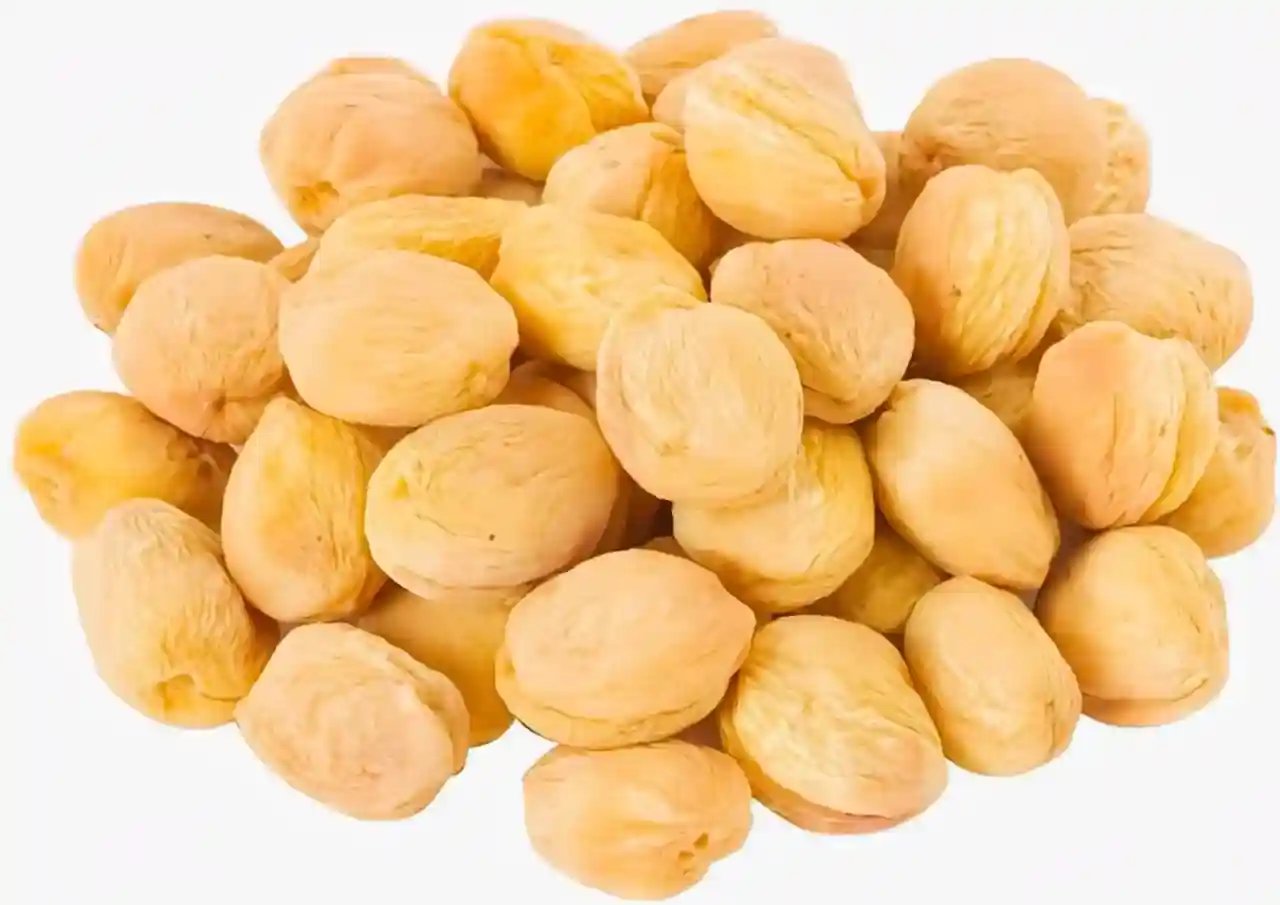
Dried Apricots (Khurmani) – Sun-Dried, Naturally Sweet
Dried Apricots (Khurmani) are naturally sun-dried apricots known for their sweet-tart flavor, chewy texture, and concentrated nutrition. Rich in fiber, potassium, and iron, they make a healthy everyday snack, a versatile baking ingredient, and a popular gift item in Pakistan.
How Sun-Drying Works — And Why It Matters
Dried Apricots are made by drying fresh apricots in open sunlight over several days, slowly reducing water content while concentrating natural sugars. Unlike heat-dried or sulfur-treated fruit, which is processed quickly using industrial dryers, sun-dried khubani develops a softer, chewier texture and a naturally sweeter flavor.
Khushk khubani (khurmani) sold in many markets is often dried using faster heat methods to reduce production time and cost. This process can make the fruit firmer and may involve sulfur treatment to preserve its appearance. In contrast, traditional sun-drying naturally preserves the fruit’s flavor, texture, and much of its nutritional value without relying on chemical preservatives.
What Genuine Quality Looks Like
◆ No added sugar, ever – all sweetness comes from the fruit’s own natural sugar content concentrating during drying, not from syrup coating or added sweeteners some lower-cost products use to mask a bland batch
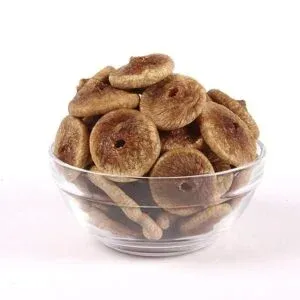
◆ No sulfur bleaching – natural sun-dried khubani has a deep amber-to-brown color with slight variation piece to piece; uniform bright orange coloring is a strong indicator of sulfur dioxide treatment
◆ Hand-sorted before packing – each batch of dried apricots is checked to remove under-ripe, over-dried, or damaged pieces, since open-air drying naturally produces size and ripeness variation
◆ Two distinct varieties commonly sold in Pakistan – Turkish ones tend to be larger, milder, and less tangy; Hunza or Jardalu apricots, grown in northern Pakistan, are smaller, tangier, and closer to the traditional local flavor profile
Nutritional Profile
By weight, this dried apricots contains significantly more fiber, iron, and potassium than fresh apricots, since removing water concentrates these nutrients into a smaller volume. A small daily portion — roughly a handful — is commonly used as a natural way to support digestion and maintain iron levels, particularly as an alternative to processed snack foods that offer little nutritional value per serving.
How to Judge Quality Beyond Price
Buyers searching for dry apricot price in Pakistan should know price alone is not a reliable indicator of quality, since sulfur-treated stock is often cheaper to produce and priced lower than genuine sun-dried batches.
◆ Texture – Good quality khubani is soft and pliable when pressed, not hard, brittle, or overly sticky
◆ Smell – It naturally carries a mild, fruity smell; a sharp or chemical-like smell usually points to sulfur treatment
◆ Color – Natural batches show gradual color variation across pieces; uniform, unnaturally bright orange is a common sign of dye or bleaching
◆ Origin markers – Products that specify variety (Hunza, Jardalu, Turkish) and describe drying method, rather than relying only on words like “premium” or “hand-selected,” tend to reflect greater transparency about sourcing
Pairing and Everyday Use
It works well when eaten on its own as a snack, added to morning oatmeal, mixed into trail mix with nuts, or paired with other dry fruits for a balanced daily routine. Many households in Pakistan combine Khubani with Zahidi dates, since the sweetness profiles complement each other well, or include it as part of a broader mix dried fruits for gifting during Eid and wedding seasons.
Ordering and Delivery
It is available for order online across Pakistan with nationwide delivery, along with international shipping for overseas buyers searching for apricot dry fruit or khumani fruit outside the country. Orders are fulfilled from current stock rather than long-held inventory, which helps preserve the texture and flavor that slow sun-drying is meant to produce in the first place.
FAQs
Is khurmani the same as dried apricots?
Yes. Khurmani, khubani, and this fruit all refer to the same product. Khurmani is more commonly used in spoken Urdu, while khubani appears more often in written form and price-related searches online.
What is the difference between Turkish and Hunza dry apricots varieties?
Turkish ones are generally larger and milder in flavor, while Hunza or Jardalu apricots, grown in northern Pakistan, are smaller, tangier, and closer to the traditional local flavor profile.
Is dried apricots good for daily consumption?
In moderate portions, yes. A small handful provides fiber, iron, and potassium, making it a practical addition to a daily snacking routine rather than an occasional treat.
Why is the color of some dried apricots unnaturally bright orange?
Bright, uniform orange coloring is typically a sign of sulfur dioxide treatment used to preserve visual appeal, rather than a result of natural sun-drying, which produces a deeper and less uniform amber tone.
Can dried apricots help with iron deficiency?
It can contribute to iron intake as part of a broader diet, since this fruit is a concentrated source of iron by weight — though it is not a substitute for medical treatment in diagnosed deficiency cases.
Reviews
There are no reviews yet.