Description
Gurbandi Almonds (Badam Giri): Origin, Benefits, Price & Buying Guide
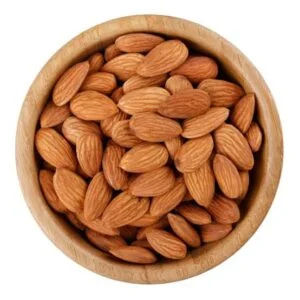
If you’re searching for gurbandi almonds — also widely known as desi badam in local markets — you’re likely looking for one of the finest almond varieties available in the South Asian market: smaller in size, richer in oil content, and known for a distinctly sweet, buttery taste. Gurbandi almonds originate from the Gurband Valley in Afghanistan, a region famous for producing some of the highest-quality almonds in Central Asia. Sourced directly through trusted dry fruit suppliers, this variety has earned a reputation for superior taste and nutritional density compared to regular commercial almonds.
What Makes Gurbandi Almonds Different From Regular Almonds
This variety is smaller and slightly flatter than California or Mamra almonds, but what they lack in size, they make up for in flavor and oil content. Key distinguishing features include:
- Higher natural oil content — gives a softer bite and richer taste
- Sweeter flavor profile — less bitterness compared to standard almonds
- Thin shell structure — easier to crack, higher giri (kernel) yield
- Dense nutrient concentration — due to slow growth in Afghanistan’s mountainous climate
| Feature | Gurbandi Almonds (Desi Badam) | Commercial Almonds (e.g., California) | Mamra Almonds |
| Origin | Gurband Valley, Afghanistan | California, USA | Iran / Afghanistan |
| Size & Shape | Small, slightly flat, and irregular | Large, plump, and highly uniform | Long, slender, and boat-shaped (concave) |
| Oil Content | Exceptionally high (rich and buttery) | Moderate to low (dryer texture) | Exceptionally high (rich oil profile) |
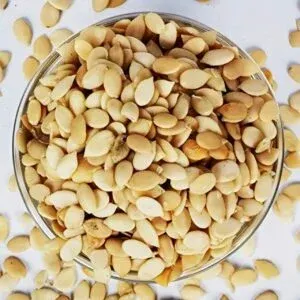
This is also where gurbandi badam giri (peeled kernel form) becomes relevant. Since the shell is thin and the kernel yield is high, giri from almonds is considered more premium than giri extracted from thicker-shelled varieties.
Gurbandi Badam Giri vs Sabit (Shelled) Badam
Buyers typically choose between two forms:
- Sabit (shell-on) form — better for long-term storage, retains freshness longer, ideal for gifting
- Gurbandi badam giri — ready to eat, saves time, commonly used in baking, mithai preparation, and daily snacking
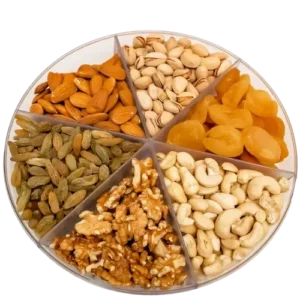
For households that consume almonds daily, giri is the more practical option. For gifting or bulk storage, shell-on is generally recommended we have variety of almonds Abdul wahidi almonds and other gifting product like dry fruits gift box
Health Benefits of Gurbandi Almonds
- Heart health — monounsaturated fats support healthy cholesterol levels
- Brain function — natural vitamin E and antioxidants support cognitive health
- Skin nourishment — commonly used in desi households for skin and hair benefits
- Protein & energy source — roughly 21g of protein and 49g of healthy fats per 100g, making it a dense, natural energy source
- Bone strength — contains calcium and magnesium that support bone health
These benefits are one reason desi almonds remain a preferred choice in Pakistani households, especially during winter months when almond consumption traditionally increases.
(Note: nutrition figures are typical almond nutritional averages — swap in your own lab-tested or supplier-verified values if available, since exact figures build stronger EEAT trust with readers and search engines.)
Gurbandi Badam Price in Pakistan: What Affects It
Gurbandi badam price depends on several factors, and understanding them helps buyers make informed decisions rather than comparing prices blindly:
- Giri vs sabit form — giri is generally priced higher due to processing and higher kernel-to-shell ratio
- Quality grade — larger, more uniform kernels command a premium
- Seasonal supply — prices shift based on Afghan harvest cycles and import volume
- Import and currency factors — since these almonds are imported, exchange rate fluctuations directly affect gurbandi almond prices in Pakistan
As a general guide, badam giri price tends to run higher per kilogram than shell-on almonds, since you’re paying only for the edible kernel with no shell weight. We recommend buying from sellers who disclose grade and origin clearly, rather than vague “premium quality” labels with no verifiable sourcing.
How to Identify Quality Gurbandi Almonds
- Kernels should be small, slightly oval, and light brown
- A slightly oily texture when broken open is normal — a sign of authentic oil content
- Taste should be mildly sweet, not flat or bitter
- Genuine gurbandi almonds rarely have uniform, machine-polished shells like commercial varieties
Storage Tips for Freshness
- Store in an airtight container away from direct sunlight
- Refrigerate giri (kernel form) if not consumed within 4–6 weeks for maximum freshness
- Avoid storing near strong-smelling spices, as almonds can absorb odors
- Shell-on almonds can be stored at room temperature for several months if kept dry
For those looking to explore other premium varieties alongside gurbandi almonds, our dry fruit gift box collection offers curated combinations ideal for gifting or daily household use.
FAQs
What is the gurbandi badam giri price compared to sabit almonds?
Giri is typically priced higher per kg since it’s fully processed kernel with no shell weight, though the exact difference depends on current market rates and seasonal supply.
Why are gurbandi almonds considered better than regular almonds?
Their higher oil content, sweeter taste, and dense nutrient profile — a result of slow growth in Afghanistan’s mountain climate — set them apart from mass-produced varieties.
Where can I buy authentic gurbandi badam in Pakistan?
you can buy on ttdryfruits who clearly disclose origin, grade, and form (giri or sabit) rather than generic quality claims with no sourcing details.
How much badam should I eat daily?
Most nutritionists recommend a small daily portion (around 6–8 pieces, roughly 20–25g) as part of a balanced diet, though individual needs vary based on age and health goals.
Is desi badam the same as Mamra badam?
No. While both are premium Afghan almond varieties, Mamra badam is generally larger with a rounder shape, whereas gurbandi almonds are smaller, flatter, and have a distinctly sweeter, oilier taste.
Does the price of gurbandi almonds in Pakistan change with the season?
Yes. Since gurbandi almonds are imported from Afghanistan, prices fluctuate based on harvest cycles, import volume, and currency exchange rates throughout the year.
Can gurbandi badam giri be used in baking and desserts?
Yes, giri is the preferred form for baking, mithai preparation, and garnishing since it’s ready to use without the need for peeling or cracking shells.
How can I tell if gurbandi badam is fresh?
Fresh gurbandi almonds have a mildly sweet taste, a slightly oily texture when broken, and no rancid or bitter smell. Stale almonds often taste flat or develop a sharp, unpleasant odor.
Is badam good for weight loss?
In moderate portions, these almonds can support weight management due to their protein and healthy fat content, which helps with satiety, though portion control is important given their calorie density (roughly 580 kcal per 100g).
What is the shelf life of badam giri after opening the pack?
Once opened, giri stays fresh for 4–6 weeks if stored in an airtight container, and refrigeration can extend this further.
Is desi badam the same as gurbandi badam?
Yes. “Desi badam” is the common local market name used for gurbandi badam in Pakistan, referring to the same smaller, oil-rich, Afghan-origin almond variety.
Reviews
There are no reviews yet.